We live in an era where the quest for wellness has become a primary driver of our daily decisions. We scour grocery store aisles for organic labels, hunt for non-GMO certifications, and scroll through social media feeds for the latest superfood trends that promise longevity and vitality. However, beneath this polished veneer of health-conscious consumerism lies a darker, more insidious reality. While we are busy worrying about the next global pandemic or a high-profile viral outbreak, a much more immediate threat is sitting quietly in our pantries. The “Seeds in Your Snack” phenomenon is not just a catchy warning; it is a chilling look at how the global food supply chain has become a breeding ground for hidden dangers that bypass our most basic instincts for self-preservation.
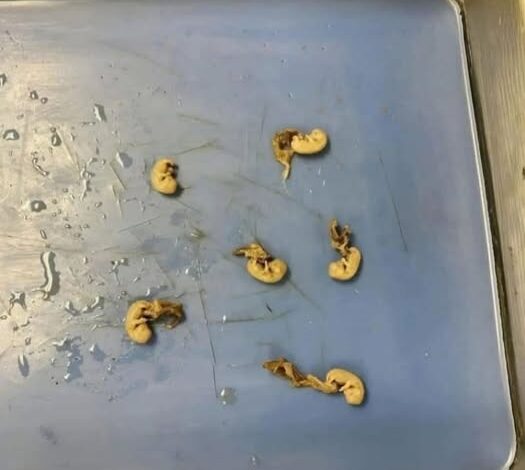
The narrative surrounding food safety often focuses on the sensational. We hear stories of mass poisonings or bizarre occurrences in foreign markets that feel miles away from our modern kitchens. Take, for instance, the recent wave of panic that swept through Mexico City. The headlines were dominated by lurid rumors of mysterious seeds that caused immediate, catastrophic illness. People were terrified, sharing unverified posts on messaging apps and avoiding street vendors as if they were purveyors of the plague. But when the dust settled and medical professionals conducted their investigations, the truth was far less cinematic and far more unsettling. There was no “mystery seed” from a dark legend. Instead, the culprits were the mundane, everyday products that had been produced without oversight, stored without care, and sold without regulation.
The tragedy of the modern snack is that it has been engineered to look innocent. We see a bag of mixed seeds, dried fruits, or nuts and we associate it with the earth, with protein, and with “clean” eating. Yet, these very items are among the most vulnerable to contamination. Because many of these snacks are sourced from complex, international networks, a single bag of trail mix might contain ingredients from five different continents. When a product moves through so many hands, the opportunity for a breakdown in safety protocols increases exponentially. In unregulated markets or through unscrupulous wholesalers, these snacks can become vessels for invisible killers.
Bacteria are perhaps the most common of these hidden threats. Salmonella and E. coli don’t just live in raw meat; they can thrive on dry goods like seeds and nuts if they are processed in unsanitary conditions. Because these items are rarely cooked by the consumer before being eaten, there is no “kill step” to eliminate the pathogens. You are essentially playing a game of microbial roulette with every handful. For a healthy adult, this might mean a few days of severe gastrointestinal distress. But for the most vulnerable members of our society—young children whose immune systems are still developing, pregnant individuals, or those managing chronic illnesses—a simple snack can escalate into a life-threatening emergency.
Beyond the biological risks lie the chemical ones. In the race to keep costs low and shelf lives long, some producers resort to using unregulated additives and preservatives. These aren’t always the standard ingredients you find on a regulated label. We are talking about industrial-grade chemicals, unauthorized dyes, and heavy metal contamination from poor soil quality or rusted machinery. These substances don’t usually cause an immediate reaction. Instead, they act as a slow-motion assault on the body. They accumulate in the tissues, undermining organ function and disrupting hormonal balance over years of “healthy” snacking. The long-term health implications are staggering, yet because the effects are cumulative rather than instant, they rarely make the evening news.
Then, there is the silent danger of undeclared allergens. For someone with a severe peanut or sesame allergy, a single mislabeled seed mix is a loaded weapon. In the unregulated sector of the food industry, cross-contamination is a constant. A facility might process sunflower seeds on the same equipment used for walnuts without a second thought for sanitation. When these products bypass the rigorous testing required by major health authorities, they effectively enter the market as “stealth” allergens, waiting for a victim who trusts the packaging at face value.
The real danger is not found in a single “boogeyman” ingredient. It is found in the systemic failure of products that circumvent the established safety net. We have become far too comfortable with “suspiciously cheap” food. We see a large, unbranded bag of snack mix at a flea market or an obscure online shop and we celebrate the “deal.” In reality, that low price tag is often subsidized by the absence of safety controls. Proper regulation, testing, and refrigerated storage are expensive. When those costs are cut, the consumer pays the difference with their health.
Protecting yourself and your family requires a shift in perspective. It requires embracing the “boring” habits of food safety that we so often overlook in favor of convenience. The first line of defense is the reputation of the seller. While big-box retailers and established brands are not perfect, they operate under a microscope of corporate liability and government inspection that an anonymous street vendor or a fly-by-night online storefront simply does not face.
Furthermore, we must reclaim the use of our own senses. We have become so reliant on “Best By” dates that we have forgotten how to actually inspect what we eat. A seed or nut mix should have a clean, earthy scent. If you open a bag and catch even a faint whiff of paint, chemicals, or an acrid “off” smell, that is your body’s ancient warning system telling you that the oils have gone rancid or that chemical contamination is present. Inspect the color; if the seeds look unnaturally vibrant or, conversely, strangely dull and dusty, they may have been treated with unauthorized agents or stored in a way that allowed mold to flourish.
Texture is another vital clue. Seeds should be crisp. If they feel tacky, damp, or have a strange film on them, they are a breeding ground for the very bacteria we fear most. We must cultivate a healthy skepticism for the unpackaged. Bulk bins and open-air displays are high-risk environments where moisture and external contaminants are easily introduced.
Viral scares and “mystery seed” rumors will always capture the public imagination because they are easy to fear. They provide a specific target for our anxiety. But the true threat is the one we invited into our homes yesterday, the one we packed in our child’s lunchbox this morning, and the one we plan to munch on tonight while watching a movie. The everyday risk of unsafe, poorly regulated, and deceptively “natural” food is the real crisis. It is a quiet, persistent danger that demands our constant vigilance. By ignoring the flashy headlines and focusing on the integrity of our food sources, we can turn the tide against these hidden threats. Don’t let your next snack be your last mistake. Be skeptical, be thorough, and remember that when it comes to your health, there is no such thing as being too cautious about what lies inside the bag.
