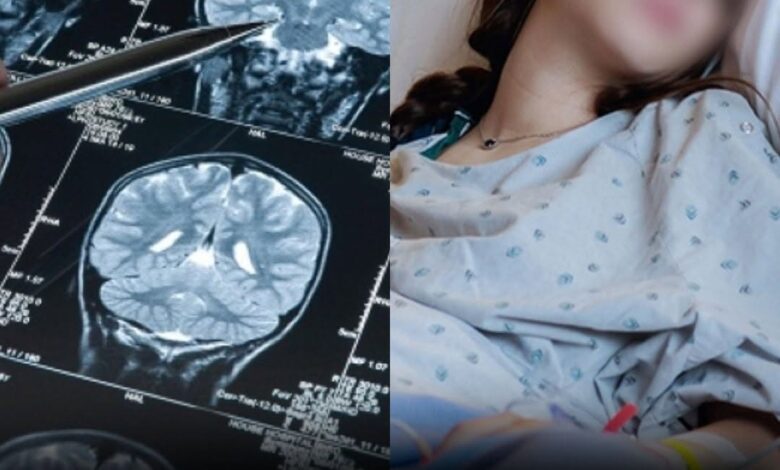
You think you are invincible. You are young, you are healthy, and you believe a stroke is a nightmare reserved only for the elderly. You are dangerously wrong. A silent, biological ticking time bomb is accelerating, and stroke rates among adults under 50 are skyrocketing, up a staggering 40 percent in recent decades. You are not safe just because of your birth year, and if you ignore the subtle, sinister warnings your body is currently broadcasting, you could be facing a catastrophic medical emergency within minutes. Are you unknowingly walking the thin, fragile line between a normal day and a life-altering tragedy?
The medical community is sounding the alarm, yet many continue to operate under the archaic assumption that a stroke is an “old person’s disease.” In reality, between 10 and 15 percent of all strokes now occur in the 18 to 50 age bracket. While the traditional culprits like high blood pressure, diabetes, and blood clots remain prevalent, young adults are increasingly susceptible due to a lethal combination of modern genetics, pregnancy-related complications, and aggressive lifestyle factors. Obesity, chronic smoking, excessive alcohol consumption, and illicit drug use are creating a perfect storm within your arteries. Furthermore, conditions like sickle cell disease significantly raise the stakes, with some patients suffering strokes before they even celebrate their fourth birthday.
Recognizing the signs of a stroke requires a level of vigilance that could quite literally save your life. Because these symptoms often strike without warning, understanding what to look for is the difference between a full recovery and permanent, irreversible disability.
The first, and perhaps most jarring, warning sign is the sudden onset of an intense, violent headache—a pain so absolute and unprecedented that it feels like nothing you have ever experienced. This is not the standard tension headache you get after a long day at the office. This is a thunderclap, a sharp and blinding agony that signals a potentially catastrophic event, such as a ruptured blood vessel in the brain, known as a hemorrhagic stroke. When a vessel bursts, the resulting intracranial bleeding causes rapid neurological deterioration. If you ever find yourself doubled over in pain from a headache that feels like it’s splitting your skull, do not wait for it to subside. Do not take an aspirin and go to bed. Seek immediate, emergency medical intervention. Every second spent waiting is a second where your brain is being irreparably compromised.
Secondly, pay immediate attention to any sudden onset of numbness, weakness, or a tingling, “pins and needles” sensation, particularly if it is localized to only one side of your body. This is a classic symptom of an ischemic stroke, where the blood flow to a specific, vital region of your brain is physically obstructed. When those oxygen-rich blood cells can no longer reach their destination, brain tissue begins to die with frightening speed. The specific symptoms you manifest will depend entirely on which area of your brain is being starved of nutrients. If the stroke hits the regions responsible for motor control, you may experience immediate unilateral weakness, a dragging limb, or total, terrifying paralysis of an entire side of your body.
The third critical sign involves your speech and your ability to process the world around you. If you suddenly find yourself unable to articulate a simple sentence, or if you feel like your brain is wrapped in gauze, unable to understand what those around you are saying, you are likely suffering from a neurological crisis. This occurs when the parts of your brain dedicated to language and comprehension are damaged by restricted blood flow. You might experience slurred speech, a complete inability to retrieve the right words, or a total loss of the ability to communicate. While these symptoms can sometimes appear subtle at first, they are rarely benign. If you notice a friend or family member stumbling over their words or appearing suddenly confused, you must treat it as a medical emergency, not a temporary bout of fatigue or clumsiness.
Fourth, keep a close watch on your vision. Strokes can cause sudden, dramatic shifts in your visual field. This might manifest as a sudden darkening of vision in one eye, blurred sight, double vision, or even the loss of peripheral awareness. Because we are so accustomed to the occasional eye strain from screen time, it is far too easy to write off visual disturbances as a minor, passing inconvenience. However, when vision changes are coupled with any of the other symptoms discussed here, it is a glaring red alert. Your brain is struggling to process visual data, and your optic nerves are essentially being caught in the crossfire of an arterial blockage.
Finally, you must be hyper-aware of sudden, unexplained dizziness or a loss of balance. A stroke that impacts the cerebellum—the part of the brain responsible for coordination—can leave you feeling as though the room is violently spinning or as though you have completely forgotten how to walk. If you are suddenly unable to maintain your footing, or if you lose the ability to coordinate your movements with your usual precision, this is a major warning.
The reality is that your body is a complex system, and it is far more fragile than your youth might lead you to believe. A stroke in a young person is a brutal, high-stakes interruption that demands a total rejection of the “wait-and-see” mentality. You must prioritize your health by managing your blood pressure, staying active, avoiding the crutches of smoking and excessive drinking, and—above all—knowing your own body well enough to recognize when something is fundamentally wrong. A stroke does not care about your age, your plans, or your potential. It only cares about the opportunity to strike. Do not give it that chance. When it comes to your brain, every single second is a battle for your future. If you suspect something is wrong, take the risk of being wrong and go to the hospital anyway. Your life is worth the inconvenience.
